Do You Need a Permit for a Dumpster Rental in Quincy, IL?
Placing a dumpster on your own driveway generally doesn't require a permit in Quincy. Placing one in the street is a different story, and there's a real city rule that covers it.
ReadMaterials guide
Most household and construction debris is fine in a roll-off, but a handful of everyday items can shut down a pickup fast. Here's what's allowed and what isn't around Quincy.
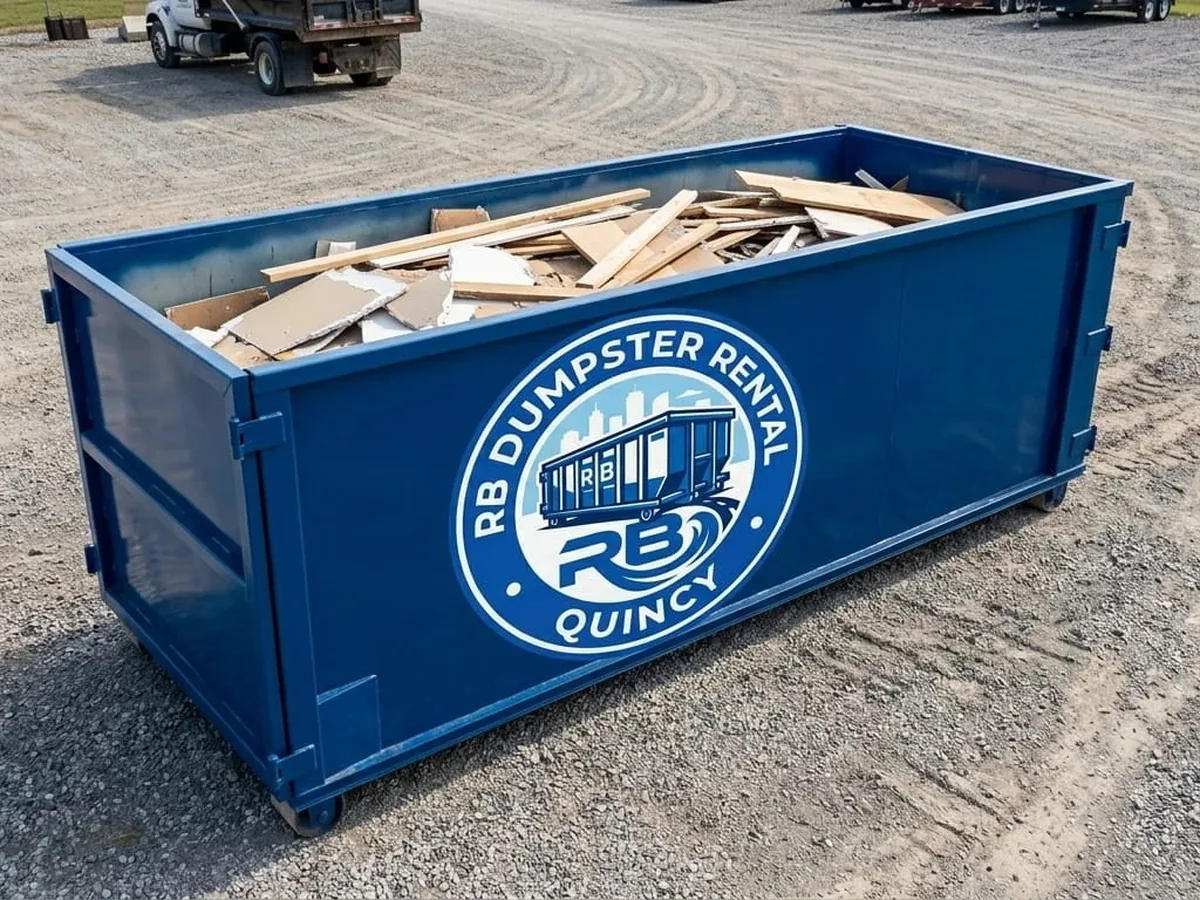
Most of what comes out of a house or job site — furniture, drywall, flooring, cabinetry, general construction debris, yard waste, and household junk — is fine to load straight into a roll-off dumpster. The short list of things that aren't allowed is what trips people up: paint, chemicals, tires, batteries, appliances with refrigerant, and asbestos-containing material are all generally prohibited in a standard container, and mixing even a small amount of the wrong item into an otherwise normal load can hold up the whole pickup. This guide covers what's generally fine, what's off-limits, and how to handle the gray areas without slowing your project down.
If you're doing a typical home cleanout, remodel, or construction project around Quincy, the bulk of your debris falls into categories that go straight into a standard roll-off without any special handling:
If you're not sure whether the size you're renting can handle the volume and weight of a project like this, our dumpster cost guide covers how weight and size interact with price.
A handful of materials are kept out of standard roll-off dumpsters almost everywhere, including here, because they require special disposal handling, create environmental hazards, or aren't accepted at the landfill without separate processing:
Illinois, like every state, regulates how hazardous waste gets disposed of, and the agency responsible for that oversight is the Illinois EPA (IEPA). In general terms, household hazardous waste — things like old paint, chemicals, and certain batteries — is meant to be kept out of regular landfill waste streams and handled through dedicated collection programs rather than tossed in with everyday trash or construction debris. If you're not sure whether something in your garage or basement counts as household hazardous waste, it's worth checking with a local collection event or disposal program before it ends up mixed into a dumpster load, since a hazardous item found during pickup can delay or complicate the whole job.
In practice, most problem loads aren't intentional — somebody clearing out a garage tosses in an old car battery, or a basement cleanout includes a few cans of half-used paint, without thinking twice about it. Here's what that generally means:
The easiest way to avoid this altogether is to set aside a separate pile for anything questionable — old paint cans, a spare tire, a dead car battery — before loading starts, rather than sorting through a full dumpster afterward.
A little bit of planning up front makes the whole rental go smoother:
Some items aren't hazardous but still fall into a gray area worth mentioning before they're loaded. Mattresses are generally acceptable in most standard loads, though some disposal sites handle them separately or charge a small additional fee, so it's worth confirming rather than assuming. Large upholstered furniture is usually fine as-is, though breaking it down when possible helps it pack more efficiently and leaves more room in the container for everything else. Electronics like TVs and computer equipment often fall under separate e-waste handling in many areas, so if a cleanout includes a lot of old electronics, it's worth asking whether they should be set aside rather than tossed in with general debris. None of these will typically stop a pickup the way a car battery or a can of paint would, but flagging them ahead of time avoids any confusion about how the load gets billed.
If you've got something you're unsure about — old chemicals, a questionable appliance, construction debris from an older home — the fastest path is to just describe it before the dumpster shows up. It takes one phone call and saves a return trip or a rejected load. Call (217) 860-6534 and we'll tell you straight whether it's fine to toss or needs to be handled separately. For questions about permits and where the dumpster can sit once it's delivered, see our Quincy permit guide.
Talk to a real person
Call (217) 860-6534 and describe the job. Flat price, stated tonnage allowance, and a delivery window on the same call.
Mon–Sat 7:00am – 7:00pm
From this guide
Liquid paint generally isn't allowed in a standard roll-off because it's considered household hazardous waste. Dried-out paint cans are often treated differently, but it's best to ask before loading them in, since rules can vary by disposal site.
Appliances containing refrigerant generally need to have the refrigerant professionally recovered before they can go in a standard dumpster. Let us know ahead of time if one of these is part of your load so it can be handled correctly.
Usually not as part of a standard mixed load. Tires typically need to go through a separate recycling stream, and most landfills either charge extra or reject them if they show up mixed in with general debris.
Asbestos-containing material requires certified abatement handling and cannot go in a standard dumpster. This is common in older homes, particularly in insulation, floor tile, and some siding, so stop and ask before disposing of anything you suspect might contain it.
Keep reading
Placing a dumpster on your own driveway generally doesn't require a permit in Quincy. Placing one in the street is a different story, and there's a real city rule that covers it.
ReadFrom spring thunderstorms to winter ice storms, here's how to size a dumpster and sort debris after severe weather hits your Quincy-area property.
ReadWhat to know about clearing water-damaged material fast after Mississippi River or spring flooding hits low-lying Quincy-area property.
Read